Home Maintenance & Repairs: Start Here
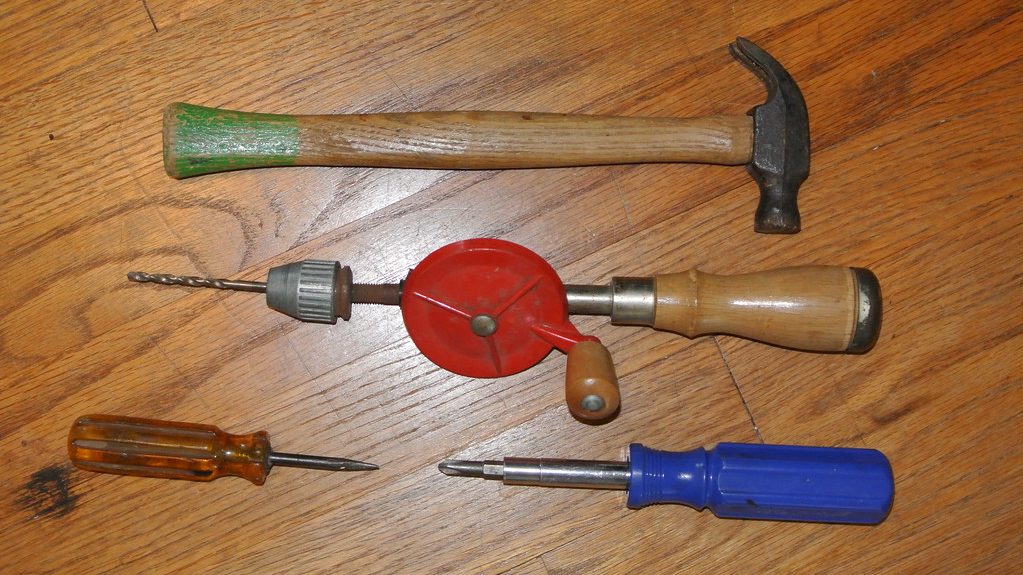
Photo: el cajon yacht club via Flickr (CC BY 2.0) · license
This is the hub for keeping a house working: furnaces and filters, pipes and toilets, gutters, caulk, and the yearly jobs that are easy to forget until something leaks. The guides are written for homeowners and renters in the United States and Canada who would rather spend an hour on prevention than a weekend on repair.
How to use this section
- Something is wrong right now? Start with the troubleshooting guides: a furnace that smells, a toilet that keeps running, pipes that bang, a ceiling stain with no obvious leak. Each one walks from the symptom to the likely cause and tells you plainly when to stop and call someone.
- Getting ahead of the season? The winter-prep and seasonal-checklist guides rank the jobs by what they actually prevent, so you can skip the busywork.
- Deciding DIY versus pro? We give the cost ranges we could source, the risks that make a job not worth attempting, and what to ask when you do hire out.
What you can expect from these guides
Every figure comes from a source we link in the article: code bodies, manufacturer manuals, utilities, university extension services, and insurer research. Where the top search results disagree or leave something out, the guide says so and shows the evidence. Guides are reviewed by peter.bae, and each one lists its sources at the end.
All 16 guides in this topic
- Why Does My Furnace Smell Like Burning Dust the First Time I Turn It On? — A burning-dust smell on the furnace’s first run is usually summer dust burning off. See how long Carrier and Trane say it lasts and which smells aren’t dust.
- At What Temperature Do Pipes Freeze? A Symptom-by-Symptom Guide — Pipes freeze at 32°F, but unheated-space pipes are most at risk below 20°F. Match tonight’s low to your pipes, thaw safely, and know when to shut off water.
- Yellow-Brown Ceiling Stain With No Active Leak: What It Means — A yellow-brown ceiling stain with no drip: prove it’s dry with a meter, match it to rain, showers, winter thaws or AC season, then fix the source.
- Why Does My Basement Smell Musty Only in the Summer? — Humid summer air condenses on ground-cooled basement walls and feeds mildew. How to size a dehumidifier on the post-2019 ratings, what it costs, and what to change.
- Is It Normal for a New LED Bulb to Flicker With a Dimmer Switch? — It’s common, but it’s a bulb-dimmer mismatch, not normal. How to read “dimmable” fine print, find an SSL 7A dimmer, and use the low-end trim to stop flicker.
- Why Does My Garbage Disposal Hum But Not Spin? (And How to Fix It) — A humming disposal has power but a stuck flywheel. Turn it free with a 1/4-inch hex wrench, read the reset button, and know when the breaker or a new unit is next.
- How Do I Know If a Repair Is Actually Worth Calling a Pro For? — Call a pro for gas, panel, structural, and hidden-water problems. If you can shut a problem off safely, it can often wait for weekday rates. 2026 costs and the math.
- Why Is One Room in My House Always Colder Than the Rest? — A cold room is either short on warm air or losing heat faster. Three quick checks tell which, including the closed-door test most guides skip, and what fixes each.
- Why Do My Pipes Bang When I Turn Off the Faucet? — Pipes bang when a valve stops moving water too fast. Codes call for an ASSE 1010 arrestor at quick-closing valves and 80 psi max; aim for 45–60. Fixes inside.
- Furnace Filter Turns Gray in Two Weeks? Here’s What That Means — A filter gray in two weeks usually means a fan set to On, a heavier dust load, or a leaky filter slot or return duct pulling in attic dust. The math and checks.
- Water Heater Popping or Rumbling? Here’s What It Means — Popping usually means sediment is trapping steam bubbles, and the fix is a flush. Match crackling, screeching, humming, or banging to its cause and know when to replace.
- Why Does My Toilet Run for a Few Seconds Then Stop? (Not the Same as a Running Toilet) — A toilet that refills for a few seconds on its own is leaking from the tank. How to tell flapper, refill tube, or seal, and what the leak wastes.
- How to Caulk So It Doesn’t Peel: Choosing the Right Caulk and Getting a Clean Line — Caulk peels when the label doesn’t fit the joint. Compare silicone, siliconized acrylic and painter’s caulk, size deep gaps with backer rod, and time the cure.
- How to Fix a Running Toilet Without a Plumber: Find the Leak, Then the Part — Two quick tests tell you whether the fill valve, flapper, or flush valve is at fault, plus the exact water level, chain slack, and flapper size to get right.
- 10 Home Maintenance Tasks Most People Forget (Seasonal Checklist) — The 10 home jobs people skip most, with the real interval for each: dryer duct length limits, the water heater valve test, CO alarm age, and more.
- How Often Should You Change Your Furnace Filter? (And Which MERV Rating to Buy) — Check your furnace filter monthly, change 1-inch filters by 3 months, and learn why pressure drop, not MERV, decides if MERV 13 suits your system. Table inside.


Comments
Post a Comment